Integrate Box or Consumer Unit: What Is the Difference?
A circuit box and a consumer device both disperse power however differ in safety and security and functionality. Circuit box make use of exchangeable fuse wires and often fail to satisfy modern criteria, positioning fire threats. Consumer systems integrate Mini Circuit Breakers (MCBs) and Residual Current Instruments (RCDs), providing exceptional defense and easy reset abilities. While circuit box might have lower preliminary expenses, customer units provide long-lasting advantages via far better performance and safety and security. Discover a lot more about the implications of each system as you assess your electric setup.
Takeaways
- A fuse box makes use of fuse cords that must be changed when blown, while a consumer system features resettable breaker for overload defense.
- Consumer units abide with contemporary safety and security criteria, whereas circuit box frequently adhere to obsolete guidelines, posing greater threats in homes.
- Circuit box can overheat under modern electrical lots, enhancing fire risks, while consumer units supply improved protection with MCBs and RCDs.
- Consumer systems use more clear labeling and less complicated gain access to for maintenance, making them extra user-friendly compared to bulkier fuse boxes.
- Upgrading from a fuse box to a customer unit improves security, efficiency, and long-lasting integrity for modern electric demands.
Why Comprehending Your Electrical System Issues
Understanding your electric system is vital, as it straight impacts safety and effectiveness in your home. Electrical literacy isn't simply a nice-to-have; it's a property owner responsibility that guarantees you identify signs of prospective risks. Understanding just how your system operates can prevent concerns like overloads or short circuits, which might cause expensive repair services or hazardous circumstances. Acquainting on your own with breaker, electrical wiring, and load monitoring encourages you to make educated decisions, whether it's regarding upgrades or regular upkeep. This understanding also helps in reliable interaction with professionals, guaranteeing that fixings and installments fulfill safety requirements. Ultimately, a strong understanding of your electrical system enhances overall home safety and security and power effectiveness, safeguarding both your investment and your family members.
What Is a Circuit box and Its Function?
While lots of house owners might not consider it commonly, a fuse box plays an essential function in your electrical system. Essentially, it distributes electrical energy throughout your home while giving security against overloads. When extreme current circulations through old wiring, the merges in package blow, disrupting the electric circuit and avoiding prospective electric hazards, such as fires. This system is essential, specifically in older homes where obsolete electrical wiring systems may not deal with contemporary electrical demands effectively. Frequently checking your circuit box is necessary to guarantee it's working appropriately and to avoid harmful circumstances. Comprehending just how your circuit box runs can aid you preserve a more secure home environment and determine when it may be time for an upgrade.
What Is a Consumer System?
A customer device, frequently referred to as a circulation board, functions as the modern-day equivalent of a fuse box, providing a central center for electric circulation in your home. Its background evolution shows innovations in safety and security and effectiveness, shifting from older fuse boxes to extra sophisticated designs. User manuals commonly come with consumer devices, detailing setup and maintenance procedures. Sticking to label requirements warranties that circuits are plainly recognized, boosting safety and use.
FeatureCustomer UnitCircuit box Circuit SecurityMCBs and RCDsFuse cables Safety StandardsExisting conformity requiredOlder laws Room PerformanceCompact designs availableBulkier building and construction User AvailabilityClear labeling systemsFrequently unlabeled UpkeepEasy accessibility for updatesChallenging to replace fusesSecret Differences: Fuse Boxes vs. Customer Units
When contrasting circuit box and consumer systems, it's vital to understand their distinctions in safety and security requirements, component functionality, and setup needs. You'll discover that consumer systems generally supply improved safety and security functions and more efficient operation. Additionally, their installation and maintenance techniques vary considerably, influencing overall efficiency.
Safety Standards Contrast
Comprehending the safety and security requirements that differentiate circuit box from customer devices is necessary for making sure electric safety and security in your house. Circuit box, often located in heritage installations, usually adhere to older electric codes that might not sufficiently attend to contemporary safety requirements. They use integrates that can be less reputable, positioning risks during overloads. In comparison, consumer systems abide by updated electrical codes, incorporating breaker that immediately turned off throughout faults, enhancing security. This style minimizes the threat of electrical fires and allows for much easier reset after tripping. If you're considering an upgrade, identifying these security differences can noticeably impact your home's electric security and compliance with present requirements.
Element Capability Review
While both circuit box and consumer devices offer the important function of taking care of electrical circuits, they do so through distinctly different systems. Fuse boxes typically use merges for overload security, while customer systems employ breaker, which can be reset after a trip. This distinction boosts lots harmonizing in customer units, enabling far better distribution of electrical need.
AttributeMerge Box Security ApproachFuses Reset CapacityNo Load BalancingMinimal Cable Classifying AssistanceFundamentalCustomer devices usually offer boosted cord labeling systems, making it much easier for you to identify circuits and handle lots successfully. This distinction is essential for modern-day electric safety and security and functionality.
Installment and Maintenance Differences
Although both circuit box and customer devices are important for electric administration, their setup and maintenance vary substantially. Fuse boxes usually require less intricate installation, typically involving simple links to existing circuits. On the other hand, customer units may require a lot more substantial job, particularly if they incorporate contemporary features like cordless monitoring systems.
When it comes to upkeep, customer devices usually include anticipating diagnostics, permitting aggressive identification of potential issues. This can bring about minimized downtime and enhanced safety and security. Fuse boxes, while easier, do not have these advanced features, demanding even more constant handbook examinations. Recognizing these distinctions warranties that you select the ideal system for your requirements, optimizing both efficiency and security in your electrical arrangement.
Essential Security Features in Consumer Devices
When reviewing customer units, you'll locate vital safety and security features critical for shielding your electrical system. Recurring Current Instruments (RCDs), various circuit breaker kinds, and rise protection capabilities play essential functions in preventing electrical threats. Recognizing these elements is crucial for making sure both safety and conformity in your electric installations.
Recurring Existing Devices
Recurring Present Instruments (RCDs) play an important role in boosting security within customer units by immediately identifying electrical inequalities. They check the circulation of electricity and can recognize ground faults, which happen when existing leakages to the ground as a result of insulation failure or accidental get in touch with. When an imbalance is detected, an RCD can interrupt the circuit within nanoseconds, substantially reducing the risk of electric shock and fire hazards. This leak detection ability is necessary, specifically in atmospheres where moisture is existing, enhancing the probability of electric mistakes. By incorporating RCDs into your consumer system, you're not just adhering to security laws; you're proactively safeguarding yourself and others from possibly fatal electric incidents.
Breaker Types
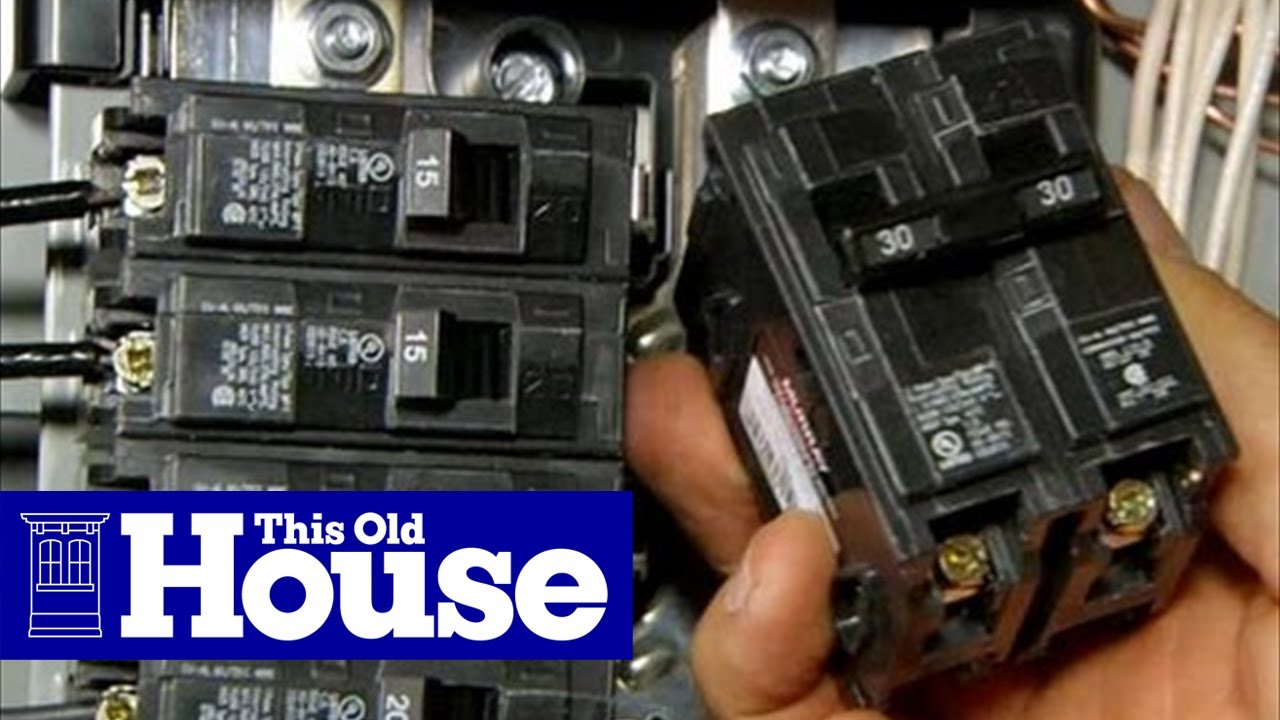
Recognizing the numerous kinds of breaker is crucial for maximizing safety in customer devices. Each type serves a certain purpose, enhancing your electric system's integrity. Below are three vital types:
- Miniature Circuit Breakers (MCBs): These safeguard versus overloads and brief circuits, using a magnetic trip mechanism to separate power swiftly.
- Residual Current Circuit Breakers (RCCBs): Created to discover ground fault problems, they help prevent electrical shock and reduce fire dangers by reducing off current when an inequality occurs.
- Earth Leakage Circuit Breakers (ELCBs): Similar to RCCBs, ELCBs concentrate on identifying ground mistakes and guarantee security by disrupting the circuit when leak is spotted.
Selecting the best breaker boosts your consumer unit's security account, promoting reliable protection versus electrical threats.
Rise Security Features
Circuit breakers play an important function in protecting your electric system, but they're just part of the formula. To ensure all-encompassing security, think about including rise security functions like rise diverters and transient suppressors. These gadgets take in voltage spikes, safeguarding your appliances from damage.
FeatureFunction Rise DiverterDiverts excess voltage far from circuits Short-term SuppressorDecreases voltage spikes to secure degrees Price of DamagesCan go beyond thousands out of commission ConfidenceSafeguards your investmentWhat Dangers Do Fuse Boxes Pose?
Although circuit box were once basic in lots of homes, they position considerable risks that should not be overlooked. These out-of-date systems can result in harmful situations, particularly in settings with old circuitry or constant appliance misuse. Below are some of the essential risks connected with fuse boxes:
- Getting too hot: Circuit box can fail to handle modern electrical lots, raising the risk of overheating and fire.
- Inconsistent Defense: They typically do not have the comprehensive protection that contemporary consumer units supply, leaving your home at risk.
- Challenging Maintenance: Aging components can make it testing to determine and rectify problems, potentially causing electric shocks or fire risks.
Understanding these risks is important for guaranteeing your home's safety. Regular evaluations and upgrades can minimize these dangers successfully.
Just How to Securely Change Your Circuit Box With a Customer Device
When you decide to replace your fuse box with a consumer unit, it's crucial to approach the process with like ensure safety and conformity with electric standards. First, make sure you've removed all power to the existing system to avoid hazards. A common DIY misconception is that you can manage this job without expert aid; nonetheless, dealing with online wires can be hazardous. Use short-lived power remedies if needed during the changeover. Adhere to all neighborhood codes and policies, seeing to it the new customer device is properly rated for your home's electric lots. Lastly, seek advice from a certified electrician to verify your setup meets safety and security criteria and to take care of any kind of intricate connections that might occur.
Recognizing Your Electrical System: Merge Box or Consumer Device?
How can you identify whether your electric system is composed of a circuit box or a customer system? Start by inspecting the electrical labeling on your unit. If you see cartridge merges, it's most likely a circuit box. On the other hand, if you detect circuit breakers, you're handling a customer device.
Take into consideration these factors for quality:
- Wiring Diagrams: Review any offered electrical wiring representations to understand your system's design.
- Age of Installation: Older homes commonly have fuse boxes, while newer buildings frequently include consumer systems.
- Consumer Understanding: Stay notified regarding the advantages of each system to guarantee security and performance.
Making use of an evaluation checklist can additionally aid in determining the right type, enhancing your understanding of your electrical system.
Recognizing Circuit Breakers and Fuse Boxes
Comprehending the distinctions in between circuit breakers and circuit box is important for preserving a secure electric system. Breaker are made to instantly disrupt electric circulation throughout faults, such as arc faults or ground faults, protecting against prospective hazards. On the other hand, circuit box have fuses that melt to damage the circuit when overloaded, requiring substitute after an incident.
While both systems offer to secure your home, breaker use reset capabilities, making them more user-friendly. They're likewise extra trusted in discovering specific mistake conditions. On the other hand, fuse boxes are typically less complex, but do not have the innovative security features of modern-day circuit breakers. Understanding these differences helps you make educated choices concerning your electrical safety and security and upgrades.
Expense Contrast: Fuse Boxes vs. Customer Units
While both circuit box and consumer units serve important duties in electrical systems, their costs can differ substantially based upon several aspects, consisting of setup intricacy and the particular parts utilized.
- Installation Prices: Circuit box usually have reduced preliminary expenses, however customer units might use much better pricing for installation due to their contemporary style.
- Elements Top quality: Consumer systems often include innovative breaker, which can raise initial expenditures yet improve safety and security and reliability.
- Long Term Financial Savings: Purchasing a consumer unit can yield lasting savings by reducing upkeep requirements and enhancing power performance.
Inevitably, your option must take into consideration not simply upfront costs but likewise the possibility for lowered prices in time.

Keeping Your Electrical System for Security
Regular upkeep of your electrical system is important for guaranteeing safety and effectiveness. Performing periodic electrical audits assists determine possible risks, ensuring that parts work properly. These audits needs to consist of a complete testimonial of circuitry, breaker, and connections. Furthermore, scheduling safety and security assessments with qualified experts can pinpoint problems that may not be immediately noticeable, such as torn electrical wiring or overloaded circuits. It's crucial to attend to any kind of findings quickly to protect against hazards like electrical fires or devices damage. Maintaining a comprehensive log of upkeep activities additionally help in tracking the system's health gradually. By prioritizing these practices, you're not just protecting your home however also enhancing the durability and efficiency of your electric system.
Often Asked Concerns
Can I Update My Circuit Box Myself?
You can not specifically plunge right into upgrading your fuse box on your very own. While the DIY spirit's exceptional, electrical work includes considerable risks. It's essential to prioritize safety and security, and that indicates understanding regional legislations and acquiring any required electrical permits. Without the correct expertise, you might accidentally create dangers. Consulting a qualified electrician warranties the upgrade's done safely and correctly, shielding both your home and yourself from prospective threats.
Exactly how Usually Should I Evaluate My Customer System?
You should inspect your consumer system a minimum of annually. Normal aesthetic assessments can help recognize indicators of wear, such as melt marks or loose links, which might show prospective problems. While you can do standard checks yourself, it's vital to have actually a qualified electrician carry out a complete assessment periodically. This guarantees the unit abides by safety and security requirements and features successfully, eventually securing your home from electric threats.
What Equipment Are Required for Changing a Fuse Box?
To change a fuse box, you'll need safety gloves to secure yourself throughout the procedure. A voltage tester is necessary for ensuring the power is off prior to you begin functioning. See to it to label each breaker plainly for easy identification when reassembling. Additionally, you'll require tools to link cords to the neutral bar, safeguarding a proper and secure connection. Always comply with safety and security protocols to avoid any kind of dangers during the substitute.
Are There Specific Brands Suggested for Consumer Units?
Yes, there are numerous respectable brands for customer devices, like Schneider Electric and MK. When selecting, take into consideration circuit labeling for clarity and ease of electrician snodland upkeep. You'll likewise intend to assess guarantee factors to consider, as some brands offer longer terms or better coverage. Make sure the device satisfies your particular electric demands and complies with neighborhood guidelines. Spending in a high quality system can enhance safety and security and dependability in your electrical system.
What Should I Do Throughout a Power Blackout?
During a power interruption, it's essential to remain prepared. Did you recognize that virtually 70% of power failures last less than an hour? Usage back-up generators to maintain vital appliances running, and make certain you have emergency illumination in position to navigate safely. Check your supply of batteries for flashlights, and prevent opening up the fridge or freezer to protect food. Stay educated with battery-powered radios for updates on the scenario.